
There are graceful ways to discover the name of a man you have met several times. You can wait for somebody else to address him. You can offer a pleasantly noncommittal “good to see you.” You can carry the uncertainty for years.
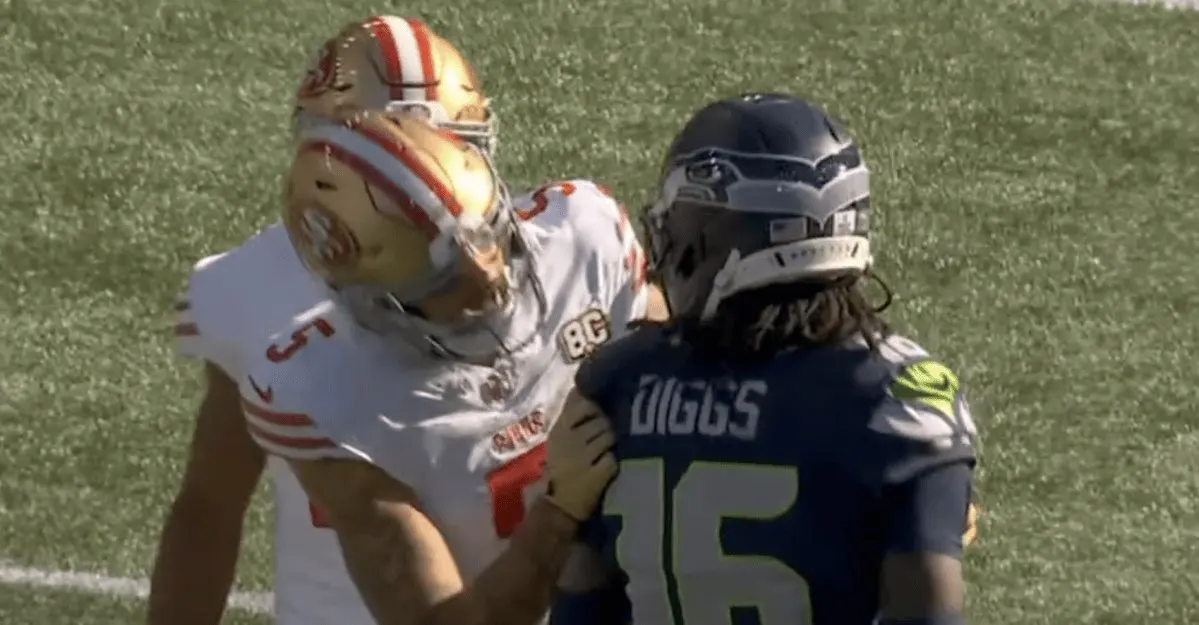
Mike Evans turned Trevon Diggs around and consulted the label.
An insult establishes that we have a relationship. There is history to draw from, a grievance worth maintaining. What Mike Evans did to Trevon Diggs placed their relationship somewhere below a package arriving with the label facing the wall.
Diggs responded with a shove to the facemask, bringing the introduction to an early close.
Evans had entered a distinguished tradition. Most sporting insults concede an inconvenient amount: that the other person matters, that his remarks have registered, that an answer is due. The more accomplished practitioner disputes the premise of the meeting.
Occasionally, the indifference is sincere. These cases deserve inclusion because they reveal what the others are attempting to simulate: the terrible discovery that your importance is not universally observed.
Below, the ten finest contributions to the field.
10. Conor McGregor cannot identify the interruption
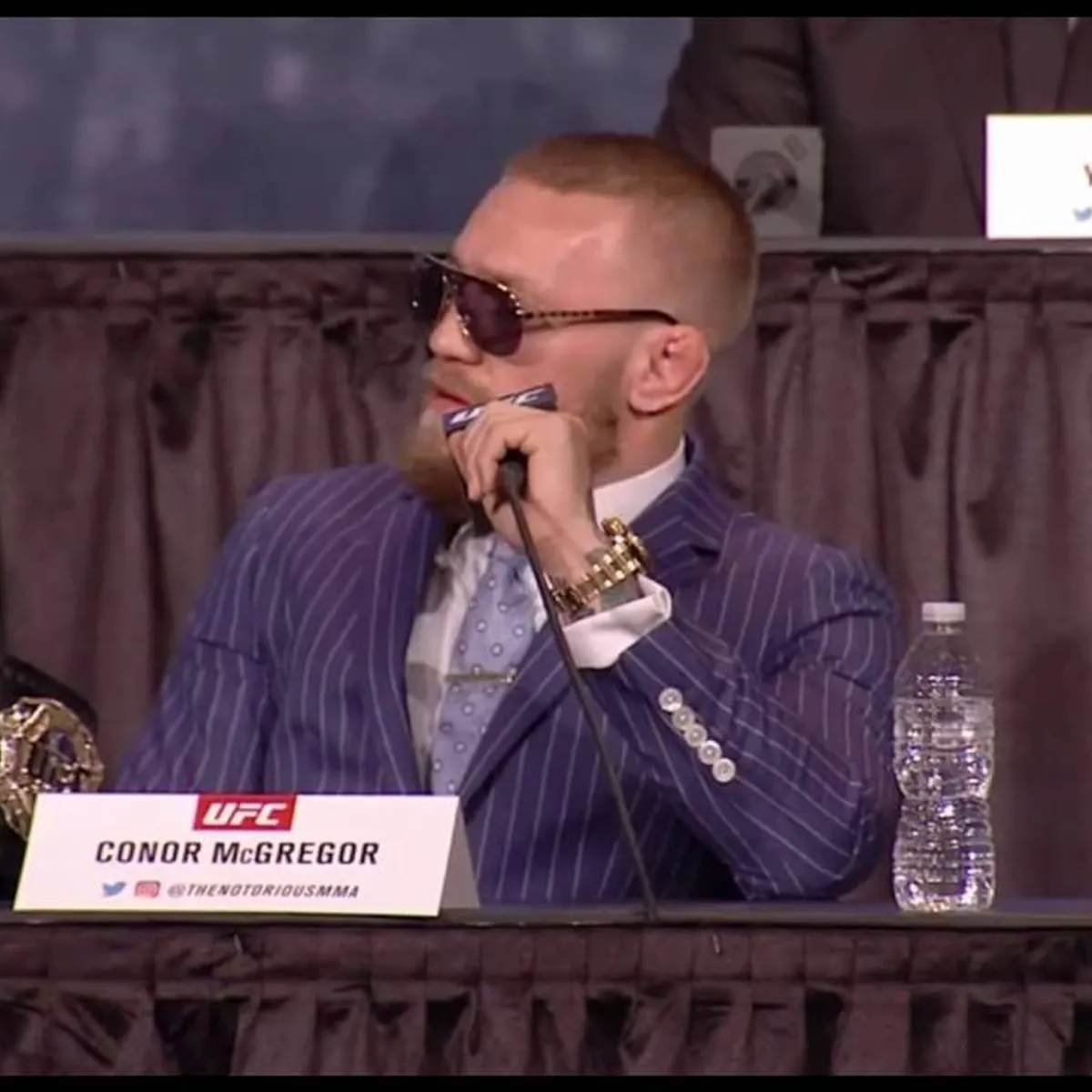
At the UFC 205 press conference, Jeremy Stephens saw an opportunity. McGregor had been asked which prospective opponent would give him the greatest difficulty. Stephens, seated on the same stage, nominated himself.
McGregor looked down the row. “Who the fuck is that guy?”
A press conference is supposed to establish reasons for two men to fight. Stephens had instead been required to establish a reason for being at the press conference. He later insisted that McGregor knew exactly who he was, a rebuttal that completed the injury: the threatening stranger was now appealing to their shared history.
One imagines the difficulty of returning to the original point. Yes, you are going to destroy him. First, remind him where you met.
9. Auston Matthews puts a name to the noise
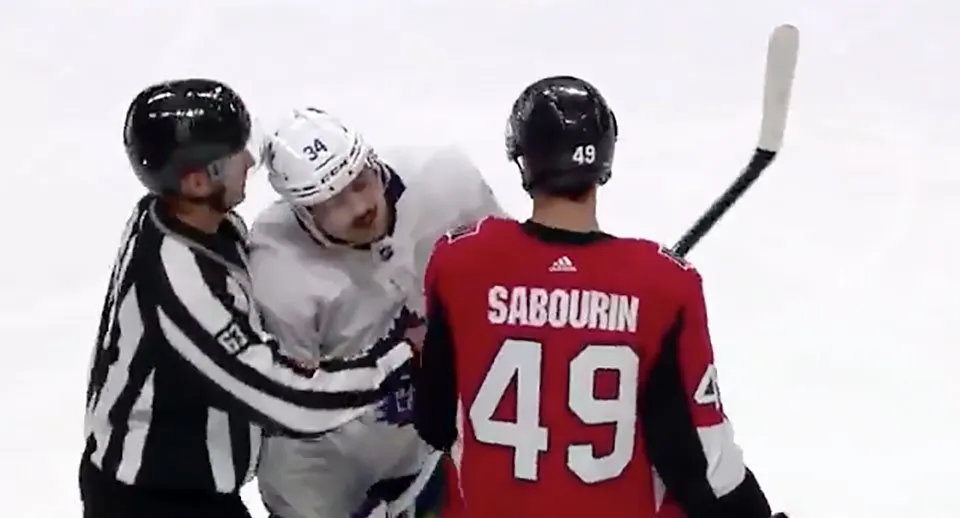
Scott Sabourin approached a 2019 preseason exchange with Auston Matthews as though the necessary introductions had already occurred. Matthews leaned around him to read the back of his sweater.
An argument had become an identity check.
The movement was small, which is essential. Matthews did not require an official, a teammate or an announcement over the public-address system. He simply examined the available documentation while Sabourin was still wearing it.
Preseason is an opportunity for unfamiliar players to make themselves known. Sabourin had presumably hoped to do so through his play. The lettering department made the more immediate contribution.
8. Mario Balotelli discovers there was a runner-up
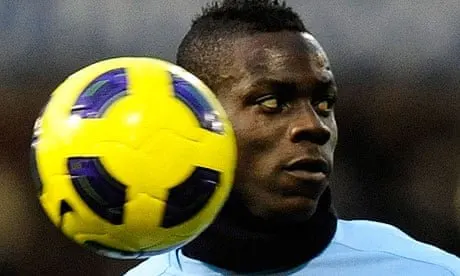
The 2010 Golden Boy award offered Mario Balotelli an occasion for generosity. Europe’s outstanding young footballer could acknowledge the competition, thank the voters and suggest that the future belonged to several promising men.
He announced that he did not know who Jack Wilshere was.
Wilshere had finished second.
Balotelli did offer to watch for him the next time he played Arsenal. This elevated the insult into something approaching patronage. The runner-up could now look forward to an informal assessment by the winner, should their professional schedules bring them together.
Consider the ceremony from Wilshere’s position. You have been identified as one of the two finest young players on an entire continent. The other has agreed to look you up.
7. Tyler Kolek is asked to explain his attendance
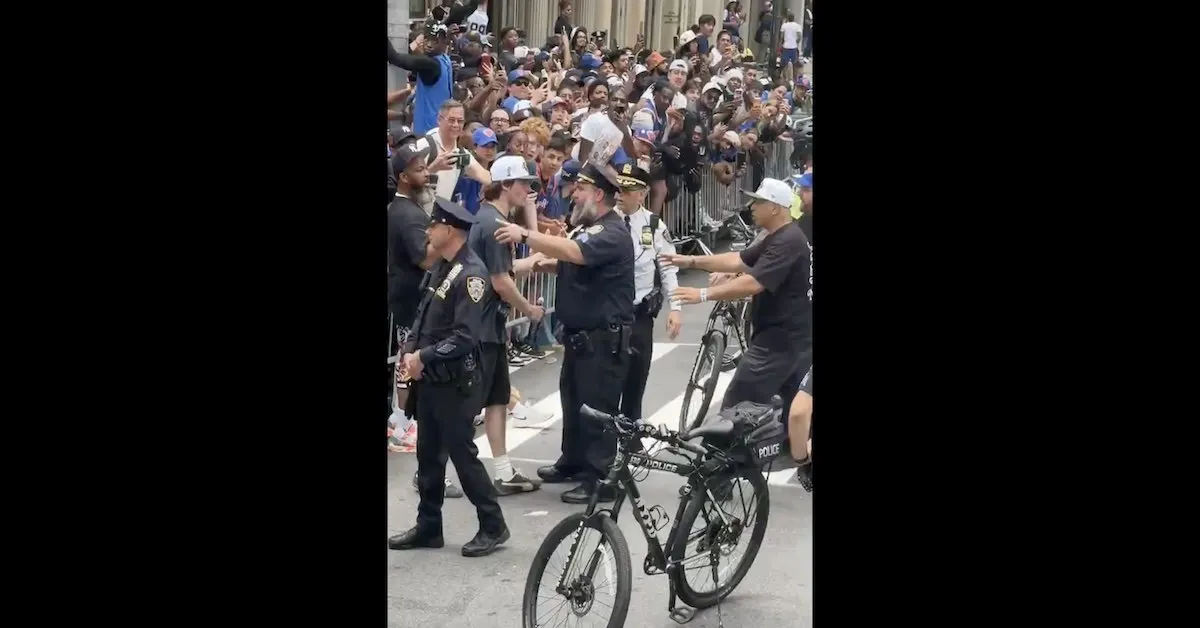
New York had waited 53 years for another Knicks championship. Generations had grown old discussing what was wrong with the team. When the parade finally arrived, police identified one remaining problem: a young man who appeared to have wandered into it.
The young man was Knicks guard Tyler Kolek.
“I swear I’m on the team bro,” was Kolek’s subsequent explanation on X, where he found a more receptive audience than he had along the parade route. Officers had briefly stopped him after mistaking him for a fan.
That sentence deserves preservation. Kolek had reached the NBA, joined a championship team and arrived at the municipal celebration of that fact. He was nevertheless reduced to the explanation a teenager might offer while attempting to board the team bus.
The city was delighted with what he and his colleagues had achieved. It would appreciate it if he watched from behind the barrier.
6. Larry Bird asks to speak to the manager
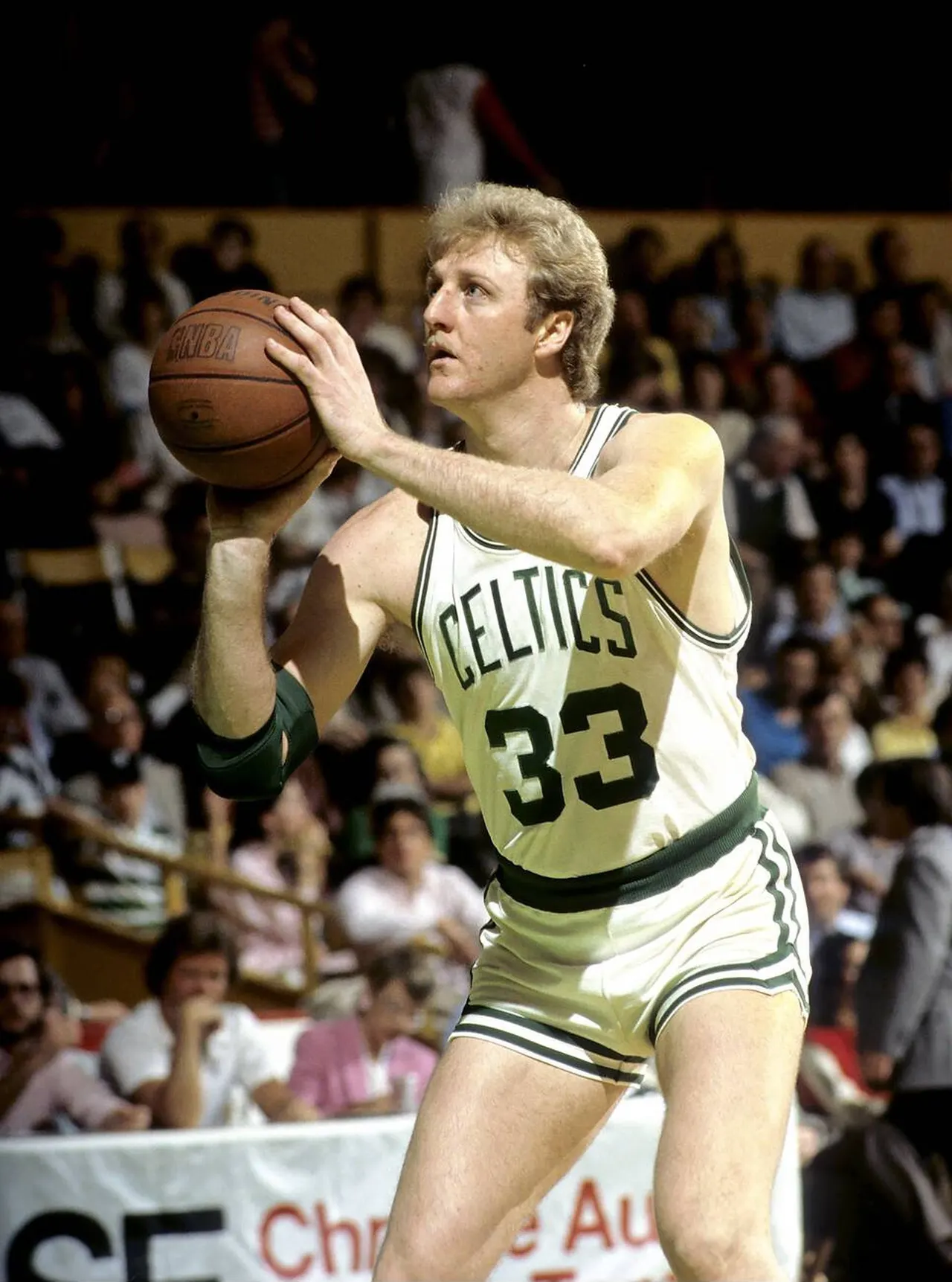
Photo via Wikimedia Commons · CC BY-SA 3.0.
In 1987, Chicago assigned Ben Poquette to guard Larry Bird. In the familiar telling, Bird looked toward Bulls coach Doug Collins, laughed and asked, “Ben Poquette? Are you fucking kidding me?”
Poquette was standing right there. This did not make him the appropriate person to address. Bird’s complaint concerned whoever had sent him.
Bird famously resented being guarded by white players, a peculiar prejudice for a white man who spent his professional life demonstrating the hazards of underestimating one. Collins had been expected to understand that Larry was an exception.
There is something especially diminishing about having your opponent discuss your assignment with your supervisor while you are still attempting to carry it out. Poquette had arrived to contest shots. He was now the subject of a staffing inquiry.
Bird finished with 41 points.
Collins had sent a professional basketball player. Larry had asked whether there was anyone more senior.
5. Brooks Koepka revises the historical record
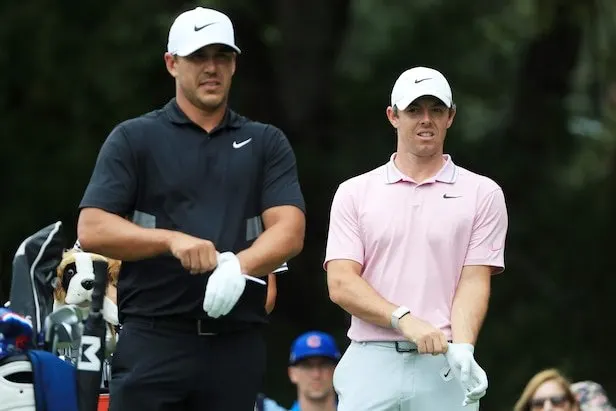
By 2019, Rory McIlroy and Brooks Koepka had four major championships apiece. This seemed a promising basis for a rivalry, especially to people employed to discuss golf.
However, when asked about this seemingly emergent storyline at a press conference ahead of the CJ Cup in October 2019, Koepka observed that McIlroy had not won a major since he had been on the PGA Tour. He did not see a rivalry.
There are several ways to separate men with identical totals. Brooks chose to establish a new calendar.
McIlroy’s victories remained perfectly respectable accomplishments from the period before Brooks. They could be admired, preserved and discussed by older relatives. Their relevance to the present conversation was less clear.
It takes considerable confidence to look at a contemporary with four majors and place him in antiquity.
Subsequent events have complicated the dating system. Koepka joined LIV in 2022 and won a fifth major at the 2023 PGA Championship, so the departure was hardly an immediate retirement. By August 2026, however, he was back on the PGA Tour, with one top-ten finish in 16 starts and no place in the playoffs. McIlroy had meanwhile completed the career Grand Slam at the 2025 Masters, then returned in 2026 for a second green jacket.
Brooks had been right about the absence of a rivalry. He had been less careful about which man would eventually need to establish one.
4. Kobe Bryant cannot be reached
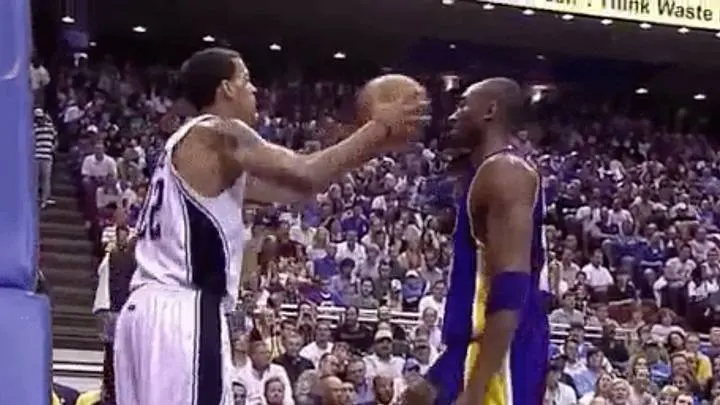
Matt Barnes had the basketball, the baseline and an unusually direct opportunity to make himself unpleasant. Preparing to inbound against the Lakers in 2010, he jabbed the ball toward Kobe Bryant in a sudden, exaggerated fake—the sort of movement that ordinarily makes a person reconsider where he has put his face.
Kobe watched him with the expression of a man waiting for someone to finish explaining a parking restriction.
The footage has since received the kind of forensic attention usually reserved for disputed elections. An overhead angle complicates the familiar claim that the ball went directly at Kobe’s face. The absence of a visible reaction survives inspection.
Barnes had attempted to bypass the social niceties and appeal directly to the body’s instinct for self-preservation. Even there, he found nobody willing to take the call.
A man can decide not to answer you. Kobe appeared to have extended the policy to his reflexes.
3. Allen Iverson encounters an obstruction
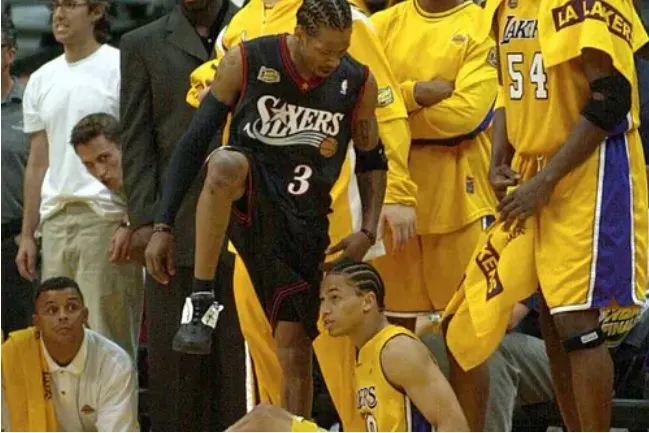
In Game 1 of the 2001 Finals, Allen Iverson made a jumper over Tyronn Lue and then stepped over him near the sideline.
The shot belongs to basketball. The route back belongs to etiquette.
There is an unwritten courtesy by which a fallen opponent continues to count as a person. You might offer a hand. You might leave him to his own arrangements. At minimum, you generally go around.
Iverson lifted a leg.
Lue had spent the possession trying to remain in Iverson’s path. His success was acknowledged in the least flattering terms available. For the duration of that step, a fellow professional had acquired the social standing of an unattended bag.
2. Scottie Scheffler’s credentials are taken down separately
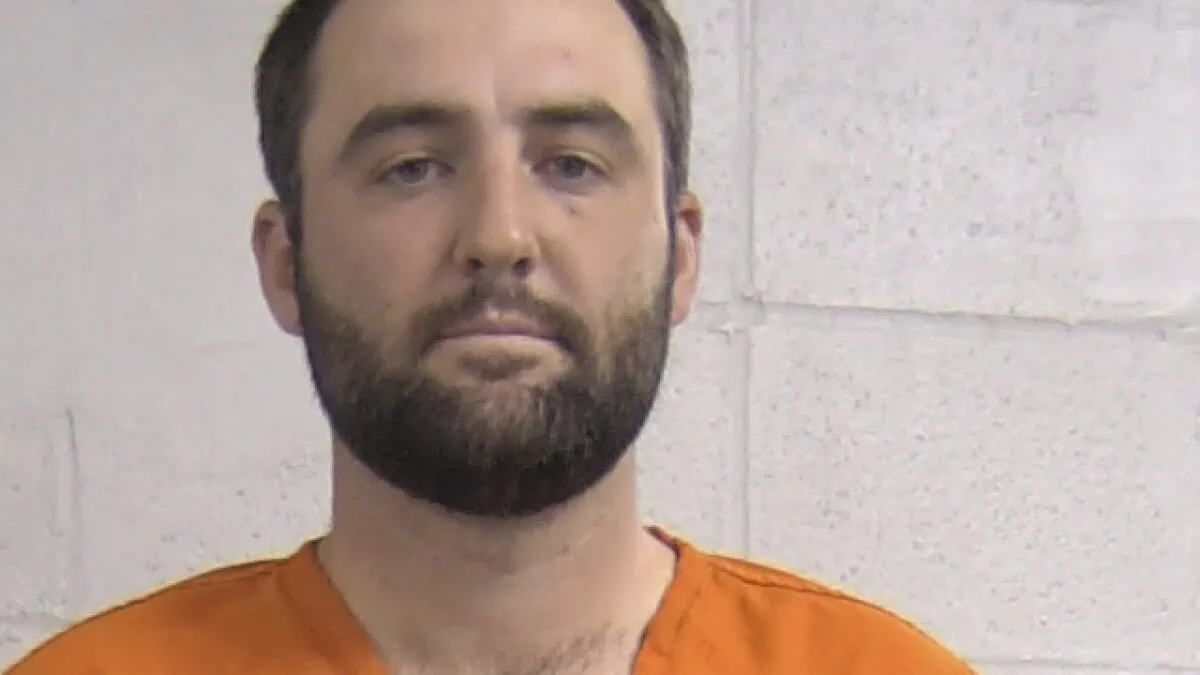
The world’s No. 1 golfer arrived for the second round of the 2024 PGA Championship and was arrested amid traffic controls following a fatal accident near the course.
According to ESPN’s Jeff Darlington, an officer later approached with a notepad to ask the name of the man they had handcuffed.
This is the limit toward which every theatrical “Who?” on this list aspires. No performance was required. Golf had produced rankings, television coverage, sponsors and a major championship. Somewhere near the entrance, its most accomplished current practitioner became a man whose name needed writing down.
All charges were subsequently dropped. Scheffler returned that morning and shot 66.
There are many ways to discourage the rest of a field. Discovering that the favorite can accommodate an arrest before shooting five under is among the more dispiriting.
1. Zlatan Ibrahimović returns a favor nobody requested
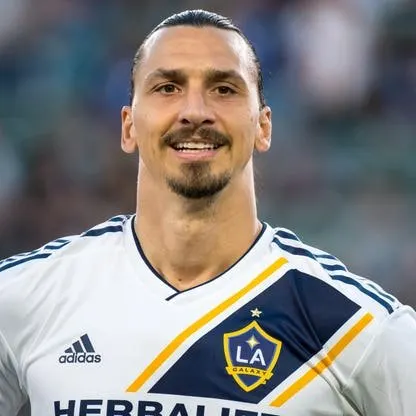
A jersey from LeBron James ordinarily arrives with its significance already understood. The recipient is expected to recognize the name, appreciate the gesture and find somewhere suitable to put it. These are modest demands to make of another internationally famous athlete.
According to Ibrahimović’s telling, LeBron sent him one of his jerseys. Zlatan examined the situation and concluded that it was missing something: his own signature.
He added it and sent the jersey back.
It is difficult to improve upon this. The object itself is made to carry the correction. No press conference is necessary. No confrontation needs arranging. At some later point, a package arrives containing the evidence that the original gesture has been interpreted in an entirely different social direction.
LeBron thought he was sending a gift. Zlatan processed an autograph request.
This was consistent with the man whose arrival in Los Angeles was announced by a full-page newspaper advertisement reading, “Dear Los Angeles, You’re welcome.” The city had already been assigned the role of grateful recipient. There was no reason to make an exception for its basketball players.
Zlatan takes first place because he goes beyond withholding recognition. He supplies a new relationship, with duties for both parties. LeBron is the admirer. Zlatan is gracious with his time.
The jersey comes back improved.
The sporting world goes to extraordinary lengths to make its important people recognizable. Their names appear on shirts, their faces on buildings, their achievements in databases maintained by people who can tell you what happened on a Tuesday in 1987.
Yet recognition remains a courtesy performed by whoever happens to be standing in front of you. A championship can be verified. Whether the man at the barricade has heard of you is another matter.
Diggs, at least, arrived with his name attached. Evans was willing to read it.
Among the company assembled here, that begins to look like hospitality.
 Brief
The Comments
0 ON THE RECORDPredictions and premature victory laps may inspire future coverage.